Living with persistent back pain, numbness, or weakness from spinal stenosis or sciatica can significantly impact your daily life. If you’re experiencing these symptoms, you’re looking for real solutions that offer relief and improve your well-being. At Mortaz Hospital, we are dedicated to guiding you through effective, non-surgical strategies to manage your condition and get you moving comfortably again.
This guide provides clear instructions for beneficial exercises proven to help with back pain, discusses other non-invasive treatments, and highlights important activities to avoid. Our goal is to empower you with practical knowledge to manage your symptoms and take control of your health.
Understanding Spinal Stenosis and Sciatica
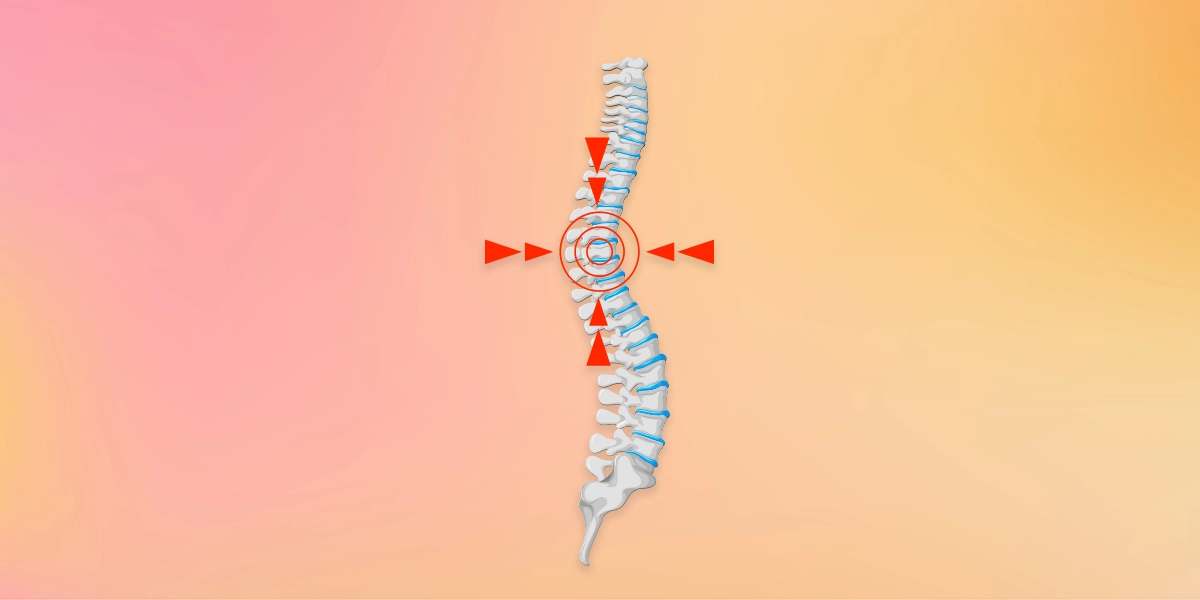
Spinal stenosis is a condition where the spaces within your spine narrow, which can put pressure on the spinal cord and nerves. This narrowing commonly occurs in the lower back (lumbar stenosis) or neck (cervical stenosis). Common causes include aging, arthritis, or disc issues. Symptoms often include pain, cramping, numbness, or weakness in the legs, especially when walking or standing.
Sciatica refers to pain that travels along the path of the sciatic nerve, from your lower back through your hip and down one leg. It can manifest as a mild ache, a burning sensation, or sharp pain, often worsened by prolonged sitting or standing.
8 Key Exercises for Back Pain Relief & Spinal Health
Exercise is a cornerstone of non-surgical management for spinal health. It helps strengthen core muscles, improve flexibility, and reduce pressure on spinal nerves. Below are 8 key exercises that can help. Always consult your doctor or a physical therapist before starting any new exercise program.
(Please refer to the image provided for visual guidance on these exercises.)
- Fillet Stretch (Gentle Cobra Stretch):

-
- How to: Lie on your stomach, forearms on the floor, elbows directly under your shoulders. Gently push through your forearms to lift your chest off the floor, keeping your hips and lower back relaxed. You should feel a gentle stretch in your lower back.
- Hold: Hold for 15-30 seconds.
- Repeat: 3-5 times.
- Standing Hamstring Stretch:

-
- How to: Stand tall. Place one heel on a slightly elevated surface (like a low step or chair) with your leg straight. Keep your back straight and gently lean forward from your hips until you feel a stretch in the back of your thigh.
- Hold: Hold for 20-30 seconds.
- Repeat: 3 times for each leg.
- Quadruped (Bird Dog):

-
- How to: Start on your hands and knees, hands directly under shoulders, knees under hips. Engage your core. Slowly extend your right arm straight forward and your left leg straight back, keeping your back flat and hips stable. Avoid arching your back.
- Hold: Hold for 5-10 seconds.
- Repeat: 8-12 times on each side, alternating.
- Partial Sit-Up (Curl-Up):
-
- How to: Lie on your back with knees bent, feet flat on the floor, hip-width apart. Place your hands across your chest or lightly behind your head (don’t pull on your neck). Slowly lift your head and shoulders off the floor, engaging your abdominal muscles. Your lower back should remain flat on the floor.
- Hold: Hold briefly at the top.
- Repeat: 10-15 times.
- Cat-Camel Stretch:

-
- How to: Start on your hands and knees.
- Cat Pose: As you exhale, gently arch your back towards the ceiling, tucking your chin to your chest (like a cat stretching).
- Camel Pose: As you inhale, slowly lower your back towards the floor, lifting your head and tailbone (like a camel’s hump forming backwards).
- Repeat: 10-15 cycles, flowing smoothly between poses.
- Supine Knee Rolls (Gentle Pelvic/Spinal Rotation):

-
- How to: Lie on your back with knees bent and feet flat on the floor, arms extended out to the sides. Keep your knees together. Gently let both knees fall slowly to one side, allowing your lower back to twist slightly. Keep your shoulders flat on the floor.
- Hold: Hold for a few seconds.
- Repeat: 5-10 times on each side, alternating.
- Glute (Piriformis) Stretch:

-
- How to: Lie on your back with knees bent, feet flat. Place the ankle of one leg over the knee of the opposite leg (forming a “figure-4”). Gently pull the non-crossed knee towards your chest until you feel a stretch in your buttock/hip of the crossed leg.
- Hold: Hold for 20-30 seconds.
- Repeat: 3-5 times for each leg.
- Side Plank:

-
- How to: Lie on your side, supporting your body on one forearm (elbow under shoulder) and the side of your foot. Keep your body in a straight line from head to heels. Engage your core and lift your hips off the floor.
- Hold: Hold for 15-30 seconds, or as long as comfortable.
- Repeat: 2-3 times on each side.
Other Non-Surgical Treatments
Beyond exercise, other conservative approaches can help manage spinal stenosis:
- Physical Therapy: A professional physical therapist can design a personalized exercise program, teach proper posture, and use manual techniques to improve mobility and reduce pain.
- Hydrotherapy (Aquatic Therapy): Exercising in water is incredibly beneficial. The buoyancy of water reduces stress on the spine and joints, making movements easier and less painful. It allows for strengthening muscles and improving flexibility without bearing full weight, making it ideal for those with severe pain or limited mobility.

- Weight Management: Excess body weight, especially around the abdomen, puts significant additional stress on the spine. Losing even a small amount of weight can dramatically reduce symptoms and prevent further progression of spinal stenosis. This is a crucial lifestyle modification.
Important Activities to Avoid
While movement is encouraged, certain activities can worsen spinal stenosis symptoms or cause further damage. It’s crucial to be mindful of these:
- Avoid High-Impact Activities: This includes jumping, intense running, or vigorous sports that involve jarring movements.
- Limit Excessive Bending and Twisting: Avoid movements that involve deep forward bending or twisting your torso.
- Do Not Lift Heavy Objects: Heavy lifting significantly increases pressure on the lower back. If you must lift something, always use your legs, keep your back straight, and keep the object close to your body.
- Avoid Prolonged Standing or Sitting: Try to change positions frequently. If you must stand for long periods, shift your weight. If sitting, use good posture and take breaks to walk around.
- Listen to Your Body: Pain is your body’s signal. If an activity causes or worsens your pain, stop immediately.
Your Path to Lasting Relief at Mortaz Hospital
For many, a combination of these non-invasive strategies can bring significant relief from spinal stenosis and sciatica symptoms. However, if conservative methods do not provide the necessary improvement, or if your condition requires more direct intervention, Mortaz Hospital in Yazd, Iran, offers advanced surgical solutions.
Our Neurosurgery and Orthopedics Departments are staffed by highly skilled specialists in spinal care. We provide precise diagnosis and state-of-the-art surgical procedures for those who need them. Our international patient services team is ready to guide you through consultation and a personalized treatment plan, ensuring you receive world-class care in a supportive environment.
Contact Mortaz Hospital’s International Patients Department today to learn more about our comprehensive spinal care services and explore your treatment options for lasting relief.

